


An Opinion Piece
Tattoo Photography: Polarizing Views and Polarizing Lenses
Are polarizing lenses setting false expectations?
Photography is a crucial skill for tattoo artists to build portfolios and showcase their work. But fresh ink can be tricky to capture due to glares, reflections, and uneven lighting. In this case, polarizing lenses can help produce clear and true-to-color images when paired with proper studio lighting. However, some worry that these photos create unrealistic expectations, comparing them to edited images used to mislead clients. Let’s break down the function and use of these lenses while laying these concerns to rest.
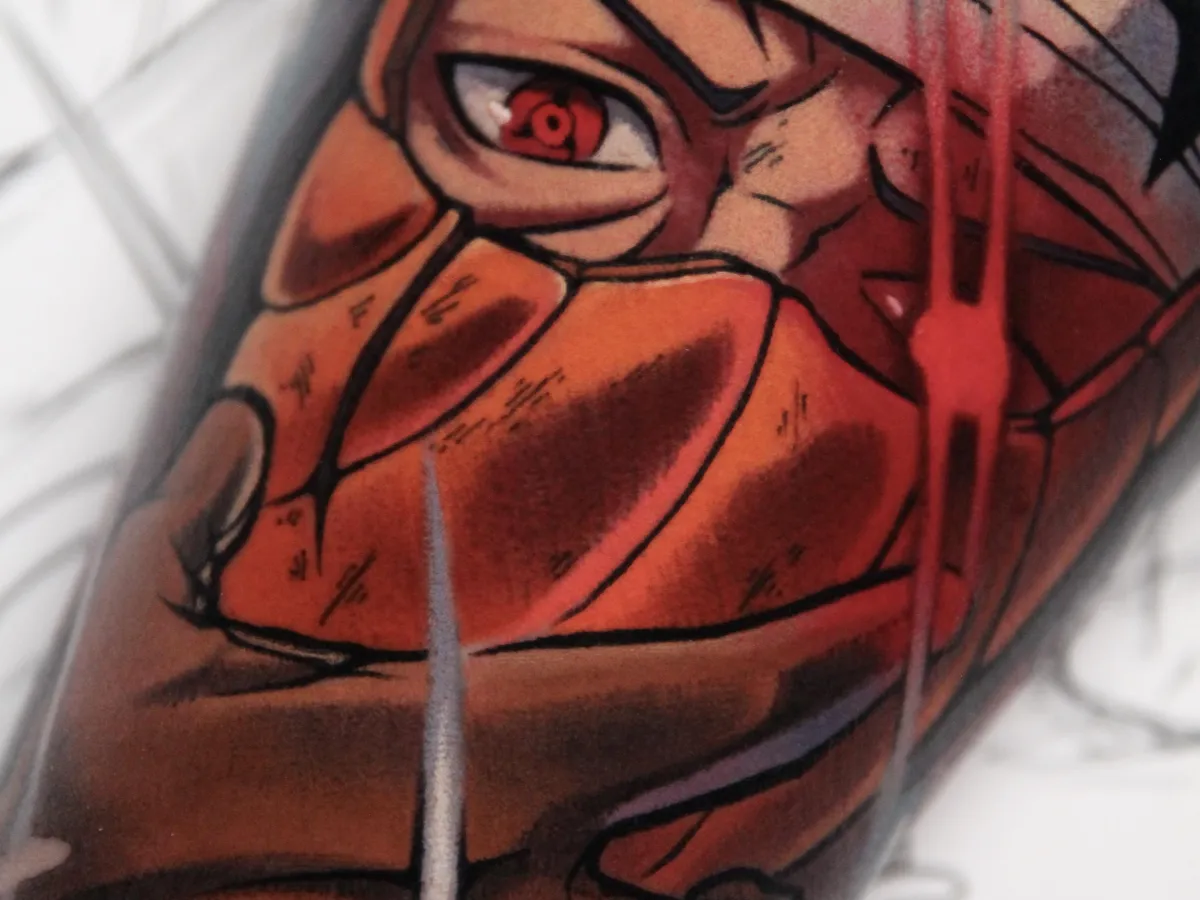
"I'll become your eye and see the future for you..." - Obito, Naturo Shippuden
How Does a Polarizing Lens Work?
A polarizing filter is a piece of optical glass that when applied to a camera lens, reduces glare and reflections by filtering out specific light waves. It consists of two important components:
The outer, rotating filter: This part of the lens acts like window blinds, when you turn the filter, it adjusts the level of polarization.
The inner light filter layer: Light vibrates in two directions: horizontal and vertical. Horizontal waves are responsible for creating those annoying glares. This special filter has parallel rows of PVA molecules that block out these horizontal waves, allowing the Photographer to control the angle in which these waves of light reach the camera, thereby blocking out the rest.
When light hits a surface – like the skin – it often creates a washed-out shine, especially on fresh ink. A polarizing lens minimizes this effect by selectively filtering the light waves, allowing the camera to capture the subject more accurately. These lenses work best when used with a polarizing filter on the main light source to add an additional control to how the light is touching the subject, working in sync with the polarizing lens.
Why Do Tattoo Artists use Polarizers?
1. Reduces glare – fresh tattoos are often shiny from the tattoo process, this is due to seeping plasma and blood, ointments, and swelling. Light loves to bounce off these moist surfaces into the camera lens, so in person, the glare may seem a lot less severe than it does in a photograph. When trying to showcase work to potential clients, artists don’t want an annoying, big ol’ glare blocking them from seeing it in all its glory.
2. Reveals the true colors and details – Without glare, vibrant colors, shades, and details will be represented more accurately, ensuring clients are seeing the ink as it was meant to be applied. Believe it or not – a badly done tattoo can’t actually hide behind a polarizer; using a these lens filters accurately will make unsaturated areas and broken lines more obvious!
3. Creates professional-Quality Images – high-quality tattoo photos are a marketing tool; artists need to build portfolios to strut their stuff and find new clients. While some still use physical portfolios in their shops and when traveling, having a digital portfolio has the potential of reaching a larger audience, and great photos are essential for both.
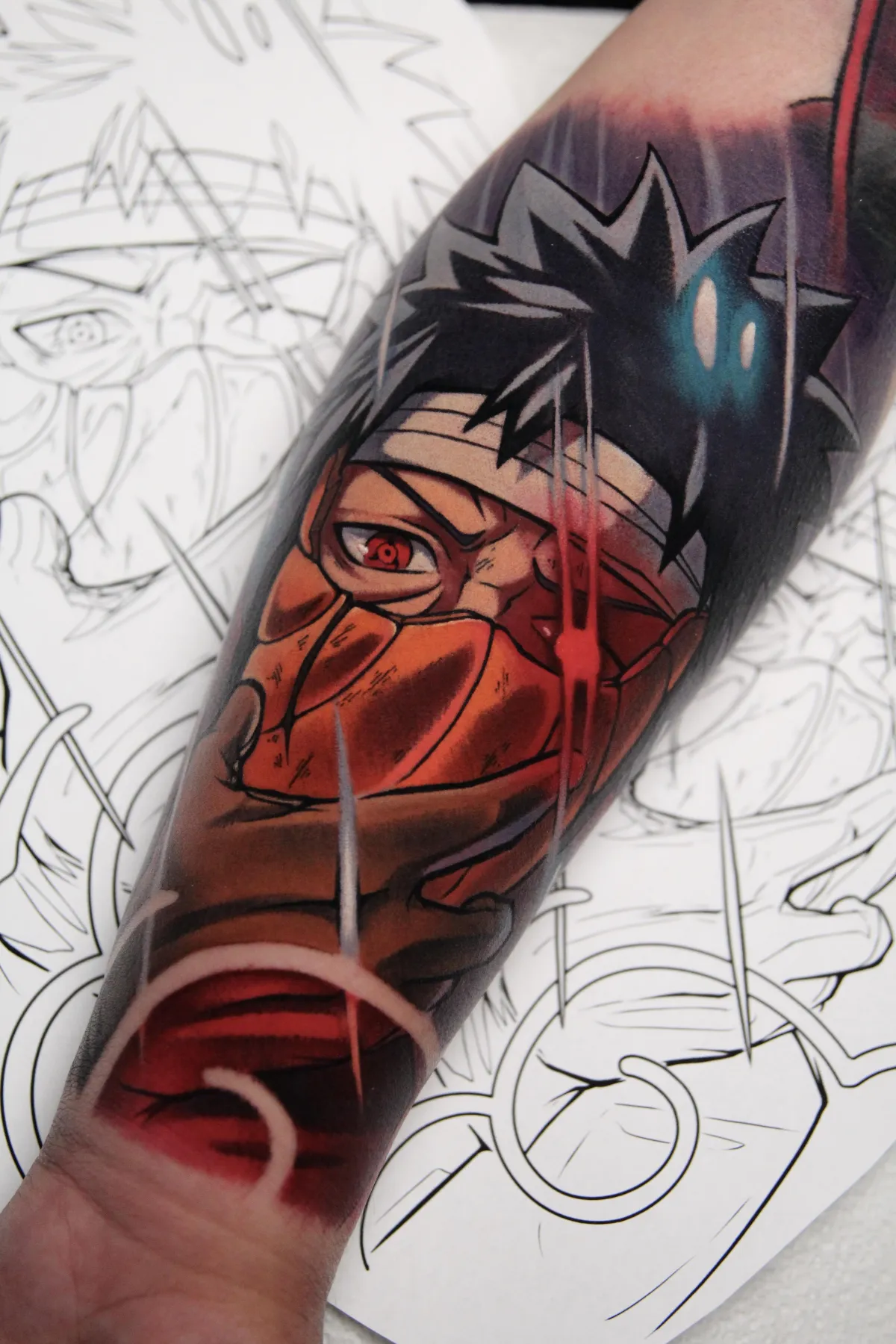
A well-executed and fresh tattoo using this filter may seem unreal and fake when the world of social media has a habit of deceiving users with falsified photos and video. Not to mention, a fresh tattoo often appears exceptionally vibrant because the skin has yet to heal – it's essentially an open wound so the ink is directly more visible.
Without the natural healing process completed, the ink sits on the exposed skin, making he colors look more intense compared to how they will appear once fully settled with a fresh new layer of skin on top. When people expect to have tattoos heal with the same vibrancy as when it is first applied, then its not an issue of the artist being deceiving, but simply both the client being misinformed and the artist failing to explain the natural process. With this in mind, it is imperative that a professional artist always share healed photos of their work in natural lighting to be as transparent as possible to avoid this confusion.
Why Not Just Use Natural Light or Wait For the Heal?
The only proper alternative to taking fresh photos without a polarized lens is to take them in natural lighting, but the issue with this is that “natural lighting” is not readily available. For example, at the end of a long session for a large tattoo, the sun may have already set. Besides, you don’t want your client standing out in the sunlight with a fresh tattoo just so you can capture a more natural photo. Keep them safe within the confines of a sanitary booth.
Waiting for clients to return for healed photos is not always practical - and artists risk a sparse portfolio if they hold off on sharing fresh work. Besides, some clients travel long distances, making professional follow-up photos difficult. Instead, artists can capture fresh ink, and, if possible, post healed photos later. Clients can also send healed updates: even if not portfolio-quality, artists appreciate these updates and can use them for social media - like Instagram Stories!
Take this client healed update as an example:
Demonizing Polarizers is Misguided
Polarizing lenses don't enhance photos or alter tattoos - they simply remove the glare, reflections, and distortions that obscure clarity. Without a polarizer, images may show washed-out colors, uneven lighting, and a distracting shine, failing to represent the artist's work accurately.
While there are unfortunately some artists that do manipulate photos to hide mistakes, careful research makes these edits easy to spot. It's not like a polarizer lens is a cheat code that magically poofs a gorgeous well-done tattoo onto the skin, eliminating poorly done work. No, it allows a potential client to more easily inspect the tattoo design, shading, color work, fine details, contrasts, linework, etc...without a distracting and visually unappealing glare in the way. In fact, these lenses can make flaws like patchy color or skipped lines all the more visible – things dishonest artists might try to edit out.
Using polarizers is not itself deception - it's professionalism when used correctly and honestly.

Copyright 2025. Ren Behan INK LLC. All Rights Reserved.